



Call Us
+86-573-86058220
Email Us
[email protected]

Home
>
Products > Chipboard Screw
> Flat Head Chipboard Screw
>
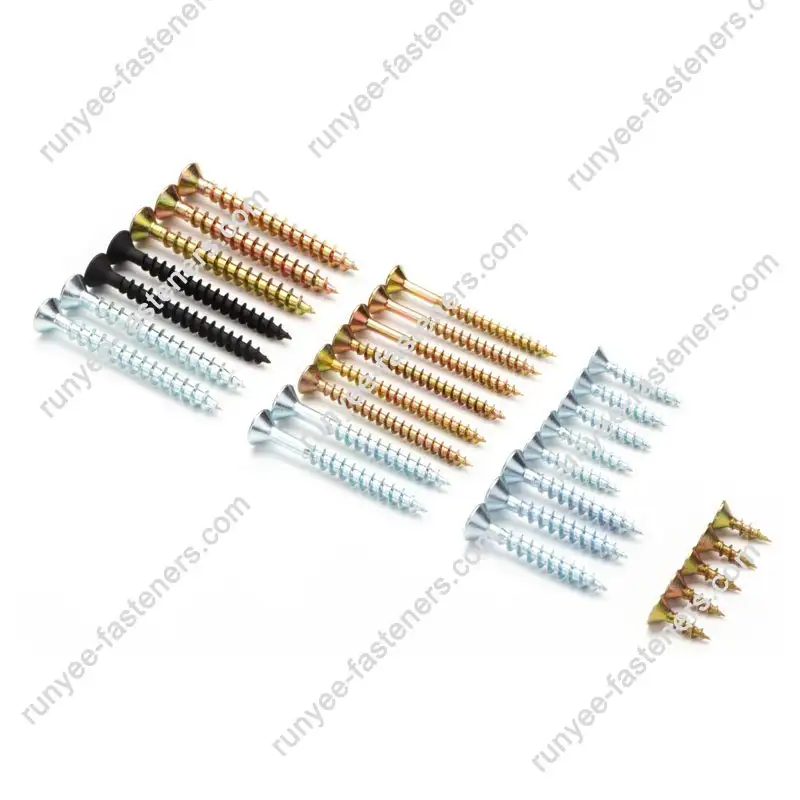
Phillips Particle Board Screws Countersunk Head
Products
- Drywall Screw
- Chipboard Screw
- Self Drilling Screw
- DIN7504K Hex Head Self Drilling Screw
- DIN7504P Flat Head Self Drilling Screw
- DIN7504N Pan Head Self Drilling Screw
- Modified Truss Head Self Drilling Screw
- Wafer Head Self Drilling Screw
- Pan Framing Head Self Drilling Screw
- Pancake Self Drilling Screw
- Drywall Drilling Screw
- Flat Head Self Drilling Screw With Two Wings
- Self Tapping Screw
- Roofing Screw
- Wood Construction Screw
- PVC Screw
- Concrete Screw
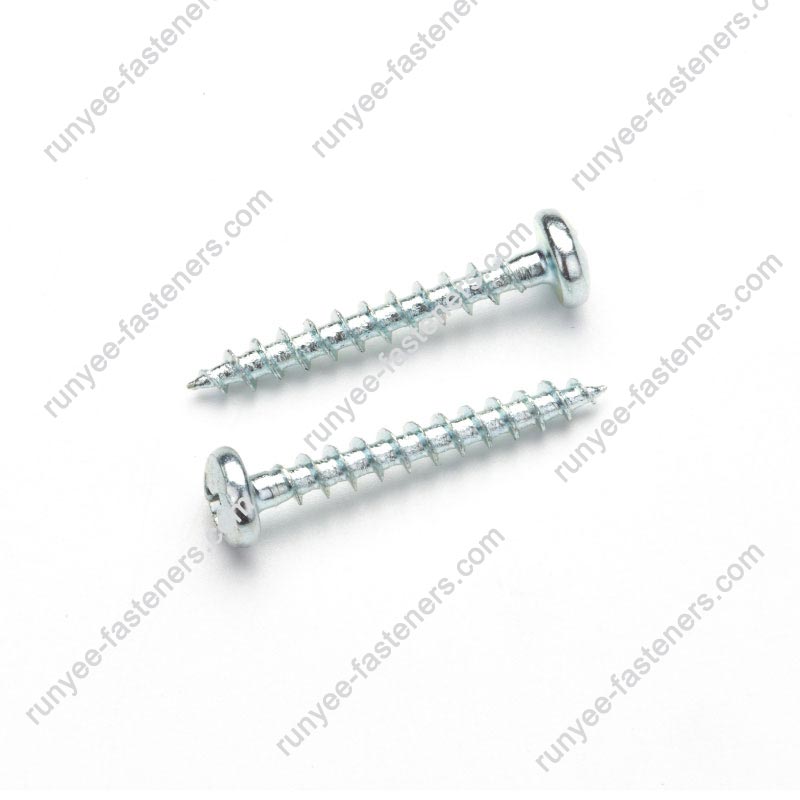
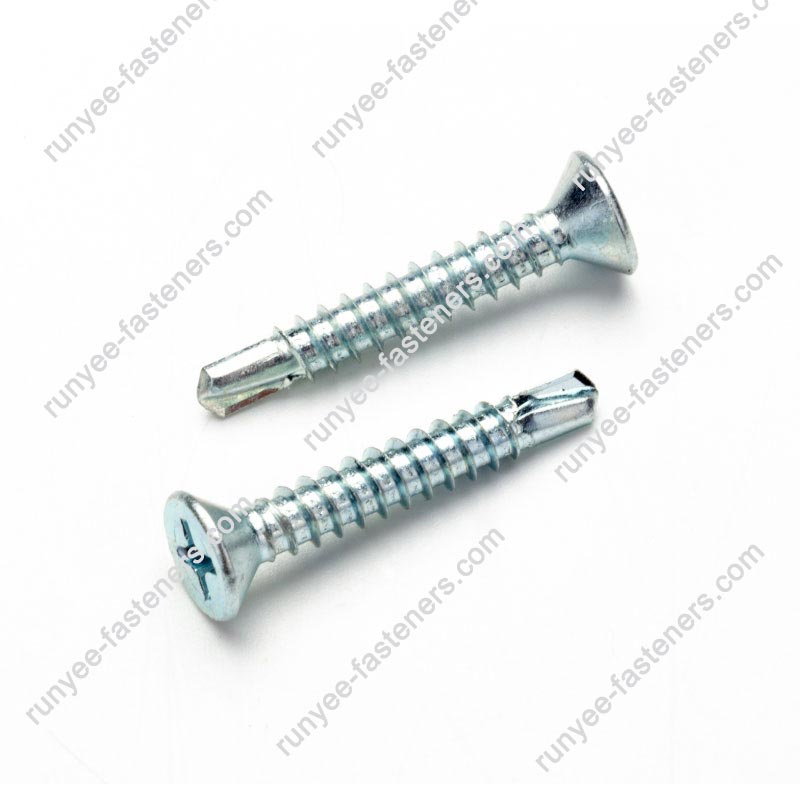

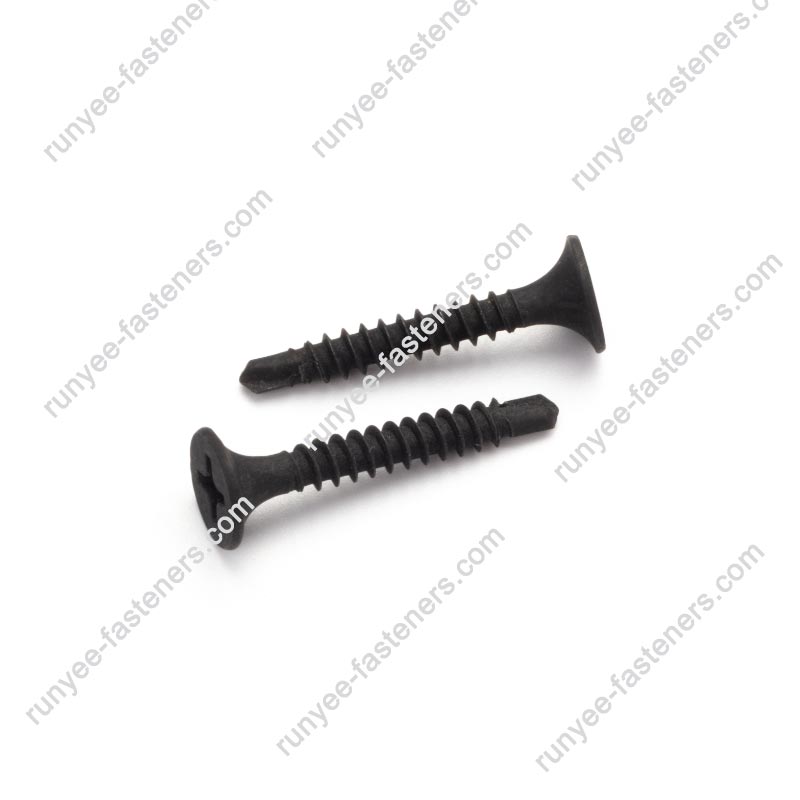
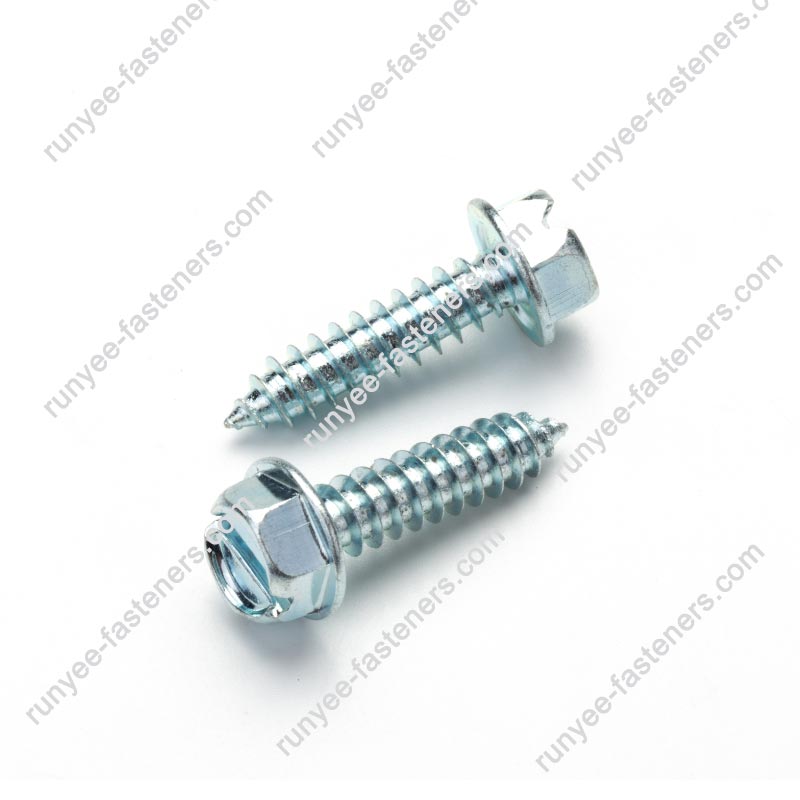
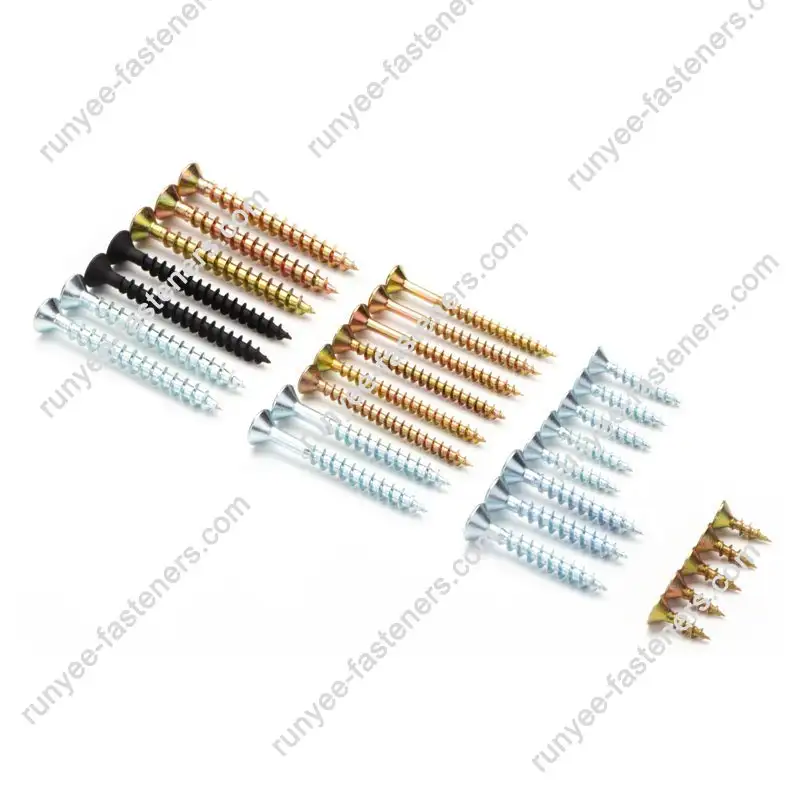
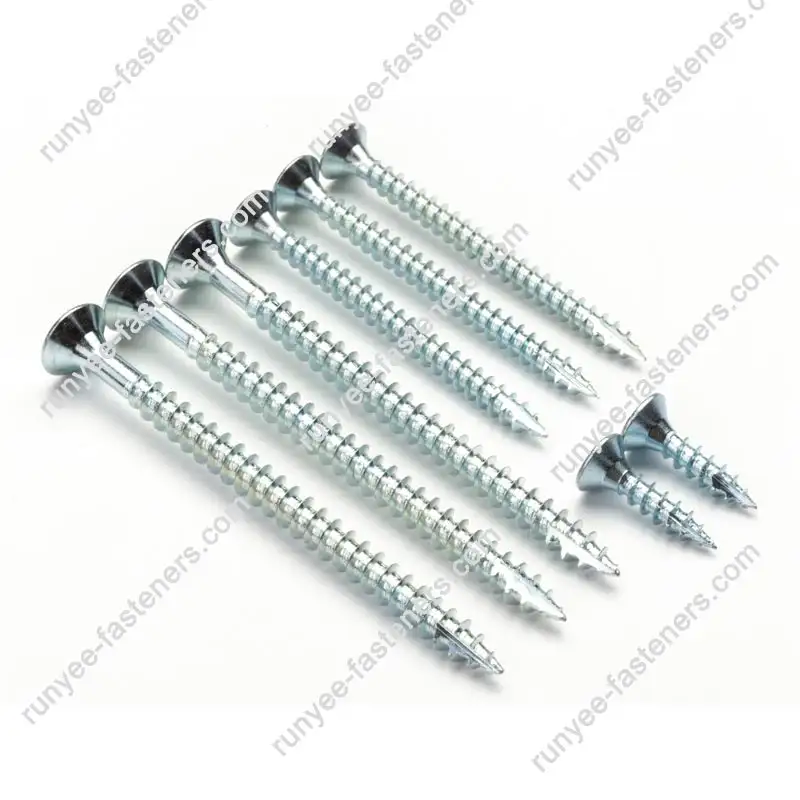
Phillips Particle Board Screws Countersunk Head
Phillips Particle Board Screws Countersunk Head from China supplier RUNYEE is a professional fastening solution designed for wood-based panels, furniture assembly, and interior construction systems. It provides stable driving performance, strong holding power, and anti-cracking ability in chipboard and MDF materials.
Send Inquiry
Product Description
RUNYEE supports bulk procurement with consistent production capacity, strict ISO quality control, and export-ready packaging for global industrial supply.
Phillips Particle Board Screws Countersunk Head manufactured by JiaXing Runyee Metal Technology Co.,Ltd. are engineered for precision wood fastening applications. The product uses hardened carbon steel with optimized thread geometry to improve grip strength and reduce material splitting. It is widely used in furniture manufacturing, cabinetry, flooring systems, and panel assembly projects. Stable production, strict inspection processes, and flexible customization make it suitable for large-scale industrial sourcing.
This technical page focuses on a high-performance fastening solution designed for particle board, MDF, and engineered wood systems. The screw is developed to ensure stable installation, clean surface finishing, and strong holding power in dense and layered wood structures. It is widely used in furniture production lines and interior construction environments requiring consistent fastening quality.
Phillips Particle Board Screws Countersunk Head are designed for applications where precision driving, reduced splitting risk, and long-term structural stability are required. The countersunk head allows flush installation, ensuring smooth surface finishing in wood-based assemblies.
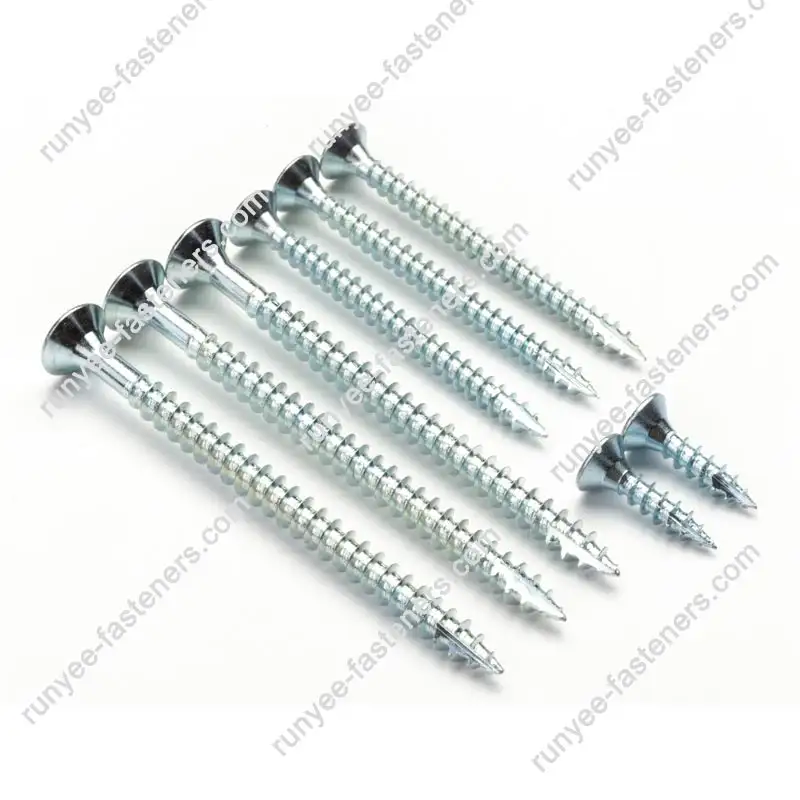
Structural Design & Fastening Behavior
The screw geometry is optimized for particle board and fiberboard materials where internal density varies. The countersunk head ensures the screw sits flush with the surface, reducing protrusion and improving finishing quality. The thread design improves bite strength while minimizing stress concentration inside the wood structure.
- Countersunk head for flush surface installation
- Optimized thread profile for wood penetration
- Reduced splitting risk in MDF and chipboard
- Stable torque control during power driving
Phillips Particle Board Screws Countersunk Head are widely used in furniture assembly systems where consistent fastening quality is required across repeated production processes.
Material Engineering & Manufacturing Process
Production is based on high-strength carbon steel (C1022A), processed through cold heading, heat treatment, and precision thread rolling. Each stage is controlled to ensure dimensional stability and mechanical reliability across different installation environments.
- Cold forming for accurate screw geometry
- Heat treatment for hardness improvement
- Precision thread rolling for stable engagement
- Automated inspection for quality consistency
The manufacturing system ensures that Phillips Particle Board Screws Countersunk Head maintain stable performance in both manual and automated assembly lines.
Surface Protection & Environmental Resistance
Different coatings are applied to improve corrosion resistance and adapt to various indoor and semi-humid environments. Surface treatment also improves installation smoothness and long-term durability.
- Zinc plating for general indoor protection
- Phosphate coating for improved lubrication
- Nickel coating for enhanced surface durability
- Dacromet for higher corrosion resistance
- Ruspert for extended service life performance
Specification Range Overview
The product range supports multiple industrial requirements for furniture manufacturing and wood construction systems.
| Item | Specification |
|---|---|
| Diameter | 2.5 mm – 6.0 mm |
| Length | 10 mm – 280 mm |
| Head Type | Countersunk / Flat / Double Flat / Pan / Wafer / Button |
| Drive Type | Phillips / Pozi / Torx / Square / Combo |
| Thread Type | Standard / Fine / Coarse / Full / Half Thread |
| Standard | DIN / ANSI |
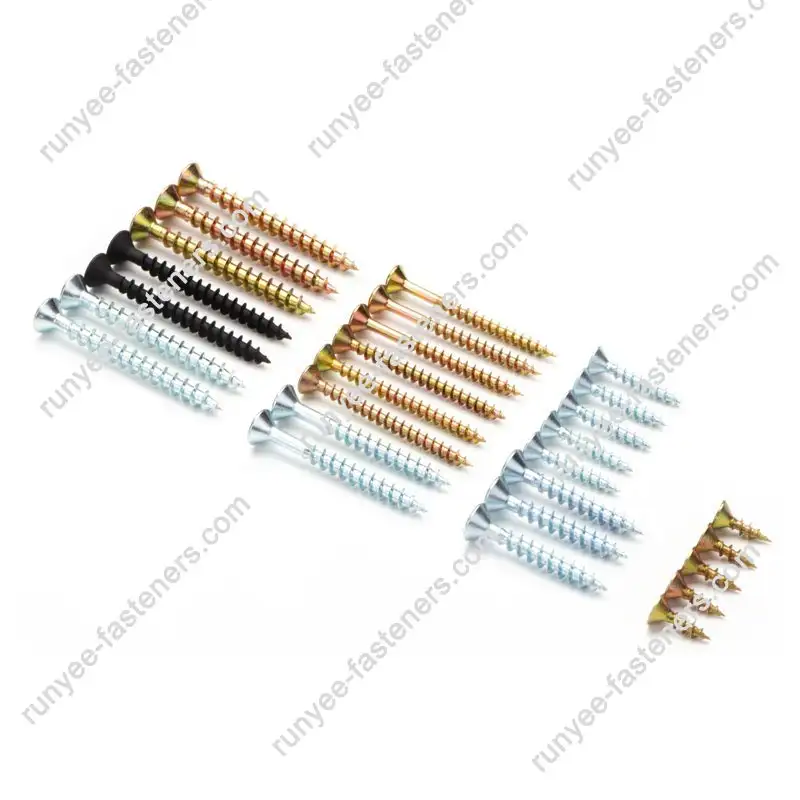
Application Areas in Wood Systems
Phillips Particle Board Screws Countersunk Head are widely used in furniture production and interior wood construction systems. They provide stable fastening in both softwood and engineered board materials.
- Furniture assembly and cabinetry
- Wood flooring installation systems
- MDF and chipboard panel joining
- Interior decoration structures
- Modular wood frame systems
The screw ensures stable holding strength in repeated assembly conditions and supports high-efficiency production line operations.
Quality Control & Testing System
All production stages follow strict ISO-based quality management standards. Mechanical performance and dimensional accuracy are continuously tested to ensure global consistency.
- Raw material composition testing
- Torque resistance evaluation
- Drive performance testing
- Salt spray corrosion testing
- Dimensional inspection control
Installation Guidelines for Stable Performance
Proper installation improves holding strength and reduces material damage risk in particle board systems.
- Use correct Phillips driver bit size
- Maintain steady driving speed
- Avoid excessive torque during installation
- Select appropriate length based on board thickness
Phillips Particle Board Screws Countersunk Head are designed for efficient installation in automated and manual assembly environments.
Packaging & Supply Capability
The supply system supports industrial-scale demand with flexible packaging options for global logistics and distribution channels.
- Bulk carton packaging for industrial use
- Small box packaging for retail distribution
- Customized labeling and branding options
- Export-ready container loading solutions
Why Choose This Fastening Solution
The product is manufactured with stable production capability and advanced equipment systems. It ensures consistent performance across furniture and wood-based construction applications.
- Advanced automated production equipment
- Stable monthly manufacturing capacity
- Strict multi-stage inspection system
- Global export experience
- Customized engineering support available
Frequently Asked Questions
Can this screw be used for MDF boards?
Yes, it is suitable for MDF, chipboard, and engineered wood materials.
Does it prevent wood cracking?
Yes, optimized thread design reduces splitting risk during installation.
Is it suitable for furniture production lines?
Yes, it is widely used in automated furniture assembly systems.
What surface treatment is recommended?
Zinc and phosphate coatings are commonly used for indoor applications.
Phillips Particle Board Screws Countersunk Head provide stable fastening performance for modern wood-based manufacturing systems requiring precision, durability, and efficiency.
Final assurance comes from RUNYEE, a professional fastener manufacturer committed to stable quality production, advanced manufacturing systems, and long-term global supply capability.
Hot Tags: Phillips Particle Board Screws Countersunk Head, China, Manufacturer, Supplier, Factory, Customized, Cheap, Low Price
Related Categories
Double Countersunk Chipboard Screw
Flat Head Chipboard Screw
Pan Head Chipboard Screw
Wafer Head Chipboard Screw
Flat Head Coarse Thread Chipboard Screw
Pan Head Chipboard Screw Coarse Thread
Wafer Head Chipboard Screw Coarse Thread
Send Inquiry
Please feel free to fill your inquiry in the form below. We will reply you in 24 hours.






X
We use cookies to offer you a better browsing experience, analyze site traffic and personalize content. By using this site, you agree to our use of cookies.
Privacy Policy
News
 What screws are best for sealing windows?2024/09/11
During the window sealing process, it is crucial to choose the right screws to ensure the stability and safety of the windows. According to the available information, 304 stainless steel pull-out screws are the recommended screw types for window sealing. This type of screw is widely considered to ......
 Do gypsum screws need to be rust-proofed?2024/08/26
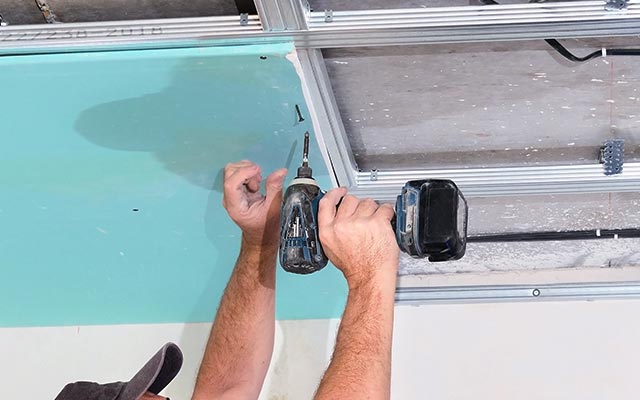
Whether the self-tapping screws of gypsum board ceiling need to be painted with anti-rust paint depends on the type of screws and construction habits.