



Call Us
+86-573-86058220
Email Us
[email protected]

Why Are Roofing Screws Becoming the Preferred Choice in Construction Projects?
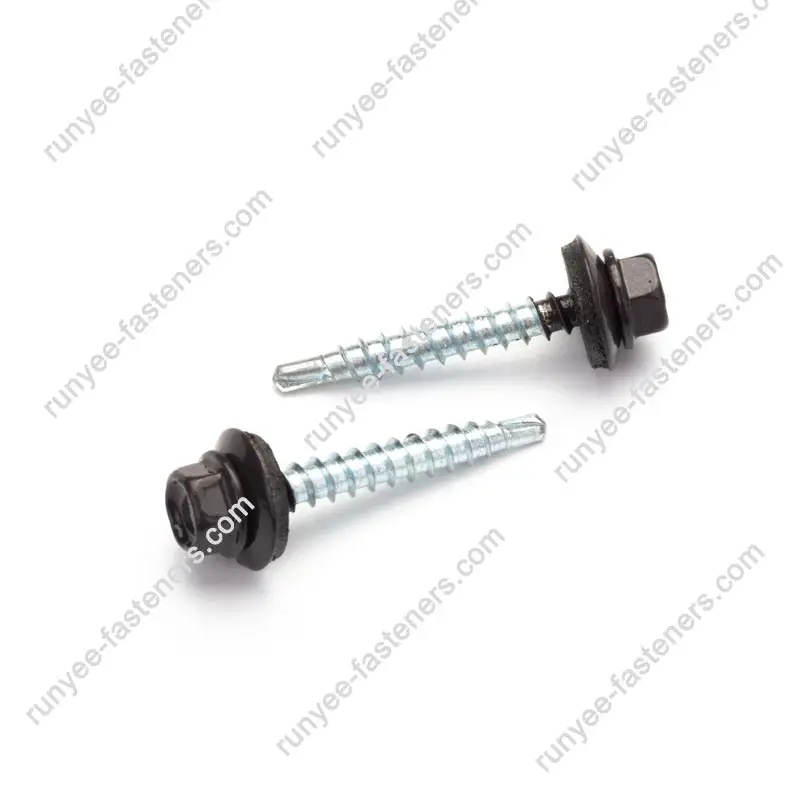
Roofing Screw has emerged as a critical component in modern construction, offering enhanced reliability and durability compared to traditional fastening methods. Professionals are increasingly relying on these specialized fasteners to ensure structural integrity and long-term performance. As the construction industry evolves, understanding the advantages and applications of the Screw becomes essential for engineers, architects, and contractors.
Advantages of Advanced Fastening Solutions
Modern fastening solutions, including Roofing Screw, deliver significant benefits across various construction scenarios. Their design enables seamless installation, superior holding strength, and resistance to environmental stresses. The following features highlight why these fasteners are gaining prominence:
- Enhanced corrosion resistance ensures longevity in diverse climates.
- Precision engineering provides consistent performance across different materials.
- Efficient installation reduces labor time and overall project costs.
- Adaptable design accommodates diverse roofing structures and materials.
Material Selection and Structural Impact
The choice of materials for modern fasteners directly affects their performance. The Screw is typically crafted from high-grade metals that balance strength and flexibility. In addition, surface treatments improve resistance to environmental factors, minimizing the risk of structural compromise. Engineers note that proper material selection extends the lifespan of the roofing system and reduces maintenance needs.
Innovations in Manufacturing
Technological advances have reshaped the production of fasteners. Automated processes, precision machinery, and strict quality control measures ensure that products meet rigorous standards. The manufacturing sector has seen significant improvements in efficiency, product consistency, and customization options. These innovations allow Roofing Screw to be tailored to specific project requirements without compromising quality.
Customization and Application
Modern construction projects demand flexibility. The Screw offers a range of options that cater to unique architectural and engineering needs. Customization can include thread type, length, coating, and head design. These variations make it possible to optimize fasteners for different materials, including metal, wood, and composite roofing surfaces. The adaptability of these fasteners enhances both performance and aesthetic outcomes.
Industry Standards and Compliance
Compliance with industry standards is a critical aspect of fastener production. The Screw is manufactured to meet stringent guidelines that guarantee reliability, safety, and consistency. Quality certifications and ongoing testing ensure that each product adheres to established norms, providing assurance to construction professionals. Continuous monitoring of performance standards is essential to maintain confidence in these solutions.
Global Trends and Market Acceptance
The global construction market increasingly favors fasteners like Roofing Screw for both residential and commercial projects. Factors driving this trend include heightened expectations for building longevity, the need for efficient installation, and evolving design requirements. Industry analysts observe that projects utilizing these fasteners often experience fewer maintenance issues and improved overall performance.
Comparative Insights
Understanding the differences between traditional nails, screws, and advanced fasteners is essential. The Screw offers distinct advantages that make it a preferred choice in many applications. The table below highlights key attributes compared to other fastening methods:
| Feature | Traditional Nails | Roofing Screw | Standard Screws |
|---|---|---|---|
| Holding Strength | Moderate | High | Medium |
| Corrosion Resistance | Low | High | Medium |
| Installation Efficiency | Fast | Efficient | Moderate |
| Application Range | Limited | Versatile | General |
Environmental and Sustainability Considerations
As sustainability becomes a core principle in construction, fasteners must meet environmental expectations. The Screw contributes to eco-friendly projects by ensuring durable installations that reduce material waste and extend the service life of roofing systems. Manufacturers are increasingly adopting green practices, using recyclable materials and environmentally responsible coatings.
Installation Best Practices
Proper installation is critical to maximizing the performance of fasteners. Roofing Screw requires careful alignment, appropriate torque, and verification against structural standards. Training and guidelines provided by manufacturers support construction teams in achieving optimal results. These best practices also reduce the risk of premature wear and enhance the overall safety of roofing installations.
Future Developments and Technological Integration
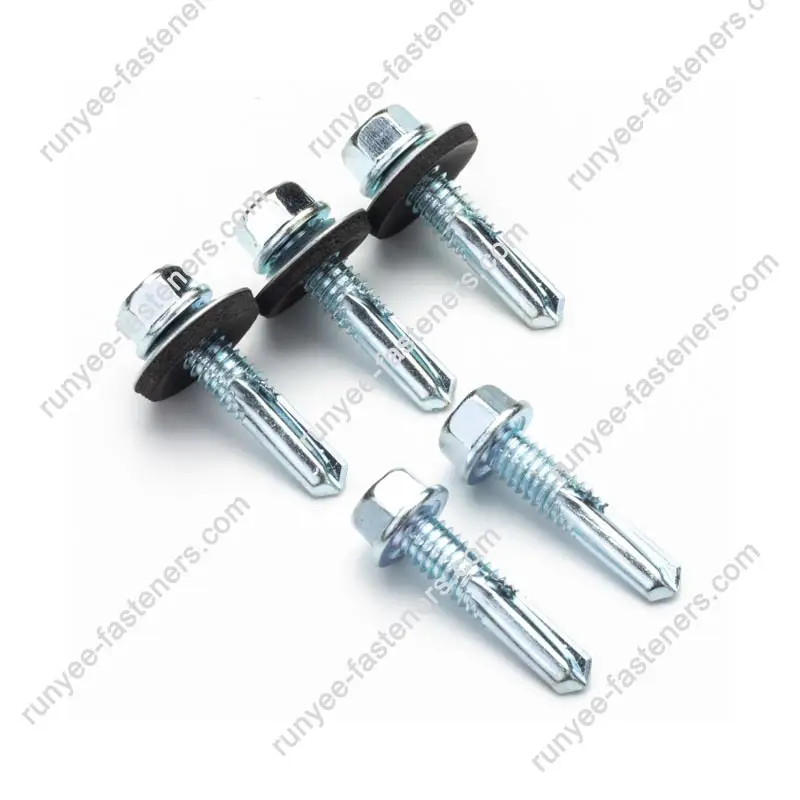
The fastener industry is evolving with new technologies, such as automated fastening systems, smart tools, and real-time monitoring solutions. The Screw is increasingly compatible with these innovations, enabling precision installation and enhanced project tracking. Industry experts anticipate that integrating technology into fastening solutions will further improve reliability and efficiency in large-scale construction projects.
End-User Considerations
End-users of construction fasteners, including contractors, engineers, and project managers, benefit from the reliability and versatility of the Screw. Its proven performance, adaptability, and compliance with global standards make it a practical choice for diverse applications. Selecting the right fastener improves project outcomes and reduces the likelihood of future repairs.
Conclusion: Trust in Proven Expertise
In conclusion, Roofing Screw has established itself as a cornerstone of modern construction, combining strength, precision, and durability. Jiaxing Runyee Metal Technology Co., Ltd., with years of specialized experience, advanced manufacturing capabilities, and a commitment to quality, ensures that clients receive top-tier fasteners and dependable service. Partnering with a trusted manufacturer like Runyee allows construction professionals to achieve superior results and long-term project success.
Send Inquiry




X
We use cookies to offer you a better browsing experience, analyze site traffic and personalize content. By using this site, you agree to our use of cookies.
Privacy Policy
News
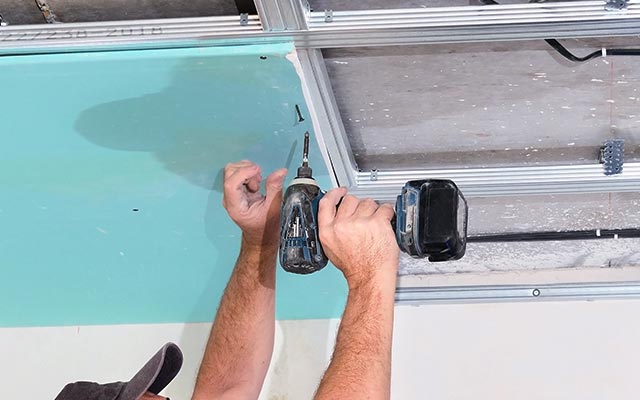 Do gypsum screws need to be rust-proofed?2024/08/26
Whether the self-tapping screws of gypsum board ceiling need to be painted with anti-rust paint depends on the type of screws and construction habits.
 What screws are best for sealing windows?2024/09/11
During the window sealing process, it is crucial to choose the right screws to ensure the stability and safety of the windows. According to the available information, 304 stainless steel pull-out screws are the recommended screw types for window sealing. This type of screw is widely considered to ......