



Call Us
+86-573-86058220
Email Us
[email protected]

Is Wood Construction Screw Redefining Modern Timber Building Fastening Systems?
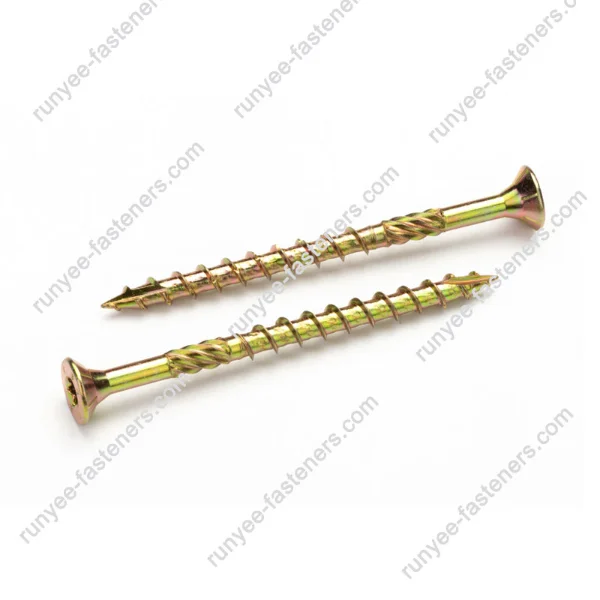
The global construction fastening industry is undergoing steady transformation as timber engineering and sustainable building methods continue to expand. Among the specialized fastening components gaining attention, Wood Construction Screw has become an important solution for structural wood assembly and engineered timber applications. Its performance advantages in load transfer, pull-out resistance, and installation efficiency are reshaping how wood structures are assembled in modern construction environments.
Industry Development and Structural Trends
The construction sector is increasingly focusing on environmentally responsible materials and efficient structural systems. Timber-based architecture has returned to prominence due to its renewable characteristics and adaptability in modular construction. Within this context, fastening systems play a crucial role in ensuring stability and long-term safety.
The adoption of advanced fastening solutions such as the Screw reflects the growing demand for stronger and more reliable wood-to-wood and wood-to-composite connections. Engineers and designers are prioritizing fastening systems that can enhance structural integrity while maintaining ease of installation.
Timber Engineering Evolution
Modern timber engineering relies on precision fastening systems that support both structural and aesthetic requirements. The development of engineered wood products has increased the need for specialized screws designed specifically for wood applications.
- Improved structural load distribution in timber frameworks
- Enhanced resistance against splitting in wood materials
- Better compatibility with laminated wood structures
- Optimized performance in modular building systems
In this evolving environment, Wood Construction Screw has become a key component supporting advanced timber construction techniques and sustainable building practices.
Manufacturing Process and Engineering Precision
Fastener manufacturing for wood applications requires strict control over material selection, threading accuracy, and surface treatment. The production process is designed to ensure consistent mechanical performance and reliability under different installation conditions.
Modern production facilities utilize automated systems and precision forming technologies to maintain product stability. Each stage of production is carefully monitored to ensure that fastening components meet structural requirements.
Quality Control Framework
Quality assurance is a critical aspect of fastener production, especially for components used in structural applications. Standardized inspection procedures are implemented throughout the manufacturing cycle.
- Raw material evaluation for mechanical consistency
- Thread geometry verification during forming stages
- Surface treatment inspection for corrosion resistance
- Final performance assessment before shipment
For applications involving Wood Construction Screw, precision manufacturing is essential to ensure strong anchoring performance in various wood densities and engineered timber systems.
Application Scenarios in Modern Construction
Wood fastening systems are widely used in residential, commercial, and infrastructure projects where timber or composite wood materials are applied. The demand for reliable fastening solutions continues to expand with the growth of sustainable architecture.
Residential Building Structures
In residential construction, wood-based frameworks are commonly used for structural framing, flooring systems, and interior assemblies. Fastening components must ensure stability while accommodating natural material movement.
Commercial Timber Architecture
Commercial buildings increasingly incorporate engineered wood for aesthetic and environmental benefits. Structural fastening systems must provide high strength and long-term reliability in these applications.
Outdoor Wooden Installations
Outdoor wood structures require fastening systems capable of resisting environmental exposure, including humidity and temperature variations. Proper fastening selection contributes to extended service life.
| Application Area | Functional Requirement | Fastening Advantage |
|---|---|---|
| Residential Structures | Structural stability and material compatibility | Secure wood bonding performance |
| Commercial Buildings | Load-bearing strength and durability | Enhanced connection reliability |
| Outdoor Installations | Environmental resistance and longevity | Improved corrosion protection |
Performance Characteristics in Wood Engineering
Fastener performance in wood structures is determined by multiple factors including thread design, penetration efficiency, and holding strength. Properly engineered fastening components ensure long-term structural integrity.
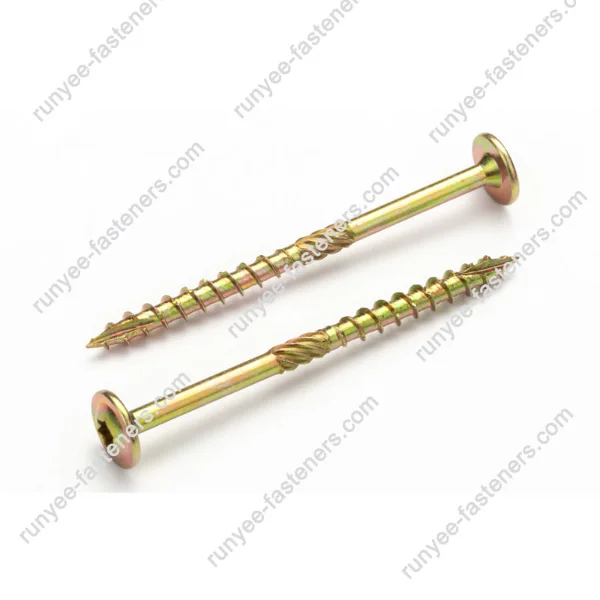
The use of Wood Construction Screw in timber applications provides enhanced grip strength and reduces material damage during installation. This contributes to improved structural safety and reduced maintenance requirements over time.
Functional Advantages
- High resistance to withdrawal forces in wood materials
- Reduced risk of wood splitting during installation
- Stable performance under load-bearing conditions
- Improved compatibility with engineered wood products
As construction technology advances, fastening systems are expected to become more specialized and optimized for specific material applications.
Global Market Trends and Supply Development
The global demand for timber construction materials continues to expand as sustainable building practices gain importance. This has led to increased interest in specialized fastening systems designed for wood-based structures.
Manufacturers are focusing on improving production efficiency, material consistency, and application-specific product design to meet evolving industry requirements. Within this environment, the Screw plays a significant role in supporting modern construction systems.
Supply Chain Focus Areas
- Stable material sourcing for consistent production quality
- Efficient logistics for international distribution networks
- Standardized inspection systems for product reliability
- Flexible production scheduling to meet demand variation
These elements contribute to a stable and responsive fastening product supply ecosystem that supports global construction needs.
Technology Advancement and Future Direction
The fastening industry is expected to continue evolving through improvements in material science, production automation, and application-driven engineering design. These advancements will enhance product performance and expand usage scenarios.
Future developments in wood fastening systems will focus on improving structural efficiency, reducing installation complexity, and increasing compatibility with engineered timber systems.
Innovation Focus
- Advanced thread geometry optimization
- Enhanced surface treatment technologies
- Improved structural load distribution design
- Application-specific fastening customization
Engineering Reliability and Industry Contribution
JiaXing Runyee Metal Technology Co.,Ltd. is a professional manufacturer and trade integrated enterprise located in the fasteners production base of Zhejiang, China. With extensive manufacturing experience and advanced production systems, the company focuses on delivering stable and reliable fastening solutions for global industrial applications.
With a strong commitment to quality stability, efficient delivery, and responsive service, JiaXing Runyee Metal Technology Co.,Ltd. continues to support international markets and long-term industrial cooperation.
As demand for timber construction grows, the importance of reliable fastening solutions becomes increasingly significant. The continued development and application of Wood Construction Screw highlight the company’s role in supporting modern construction innovation and global infrastructure development.
Send Inquiry




X
We use cookies to offer you a better browsing experience, analyze site traffic and personalize content. By using this site, you agree to our use of cookies.
Privacy Policy
News
 What screws are best for sealing windows?2024/09/11
During the window sealing process, it is crucial to choose the right screws to ensure the stability and safety of the windows. According to the available information, 304 stainless steel pull-out screws are the recommended screw types for window sealing. This type of screw is widely considered to ......
 Do gypsum screws need to be rust-proofed?2024/08/26
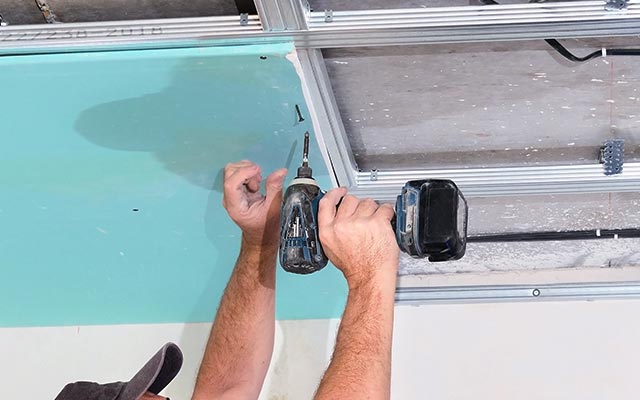
Whether the self-tapping screws of gypsum board ceiling need to be painted with anti-rust paint depends on the type of screws and construction habits.