



Call Us
+86-573-86058220
Email Us
[email protected]

How Do Torx Flat Head Concrete Screws Improve Construction Efficiency?
Torx flat head concrete screws have become a cornerstone in modern construction and industrial fastening applications, providing a reliable solution for anchoring materials to concrete, masonry, and other dense substrates. Unlike traditional screws, Torx flat head concrete screws are engineered with a star-shaped drive system, which allows for higher torque transfer, reduces cam-out, and ensures consistent performance even in high-stress applications. Their flat head design enables flush installation, making them ideal for aesthetic and structural projects where a clean finish is critical.
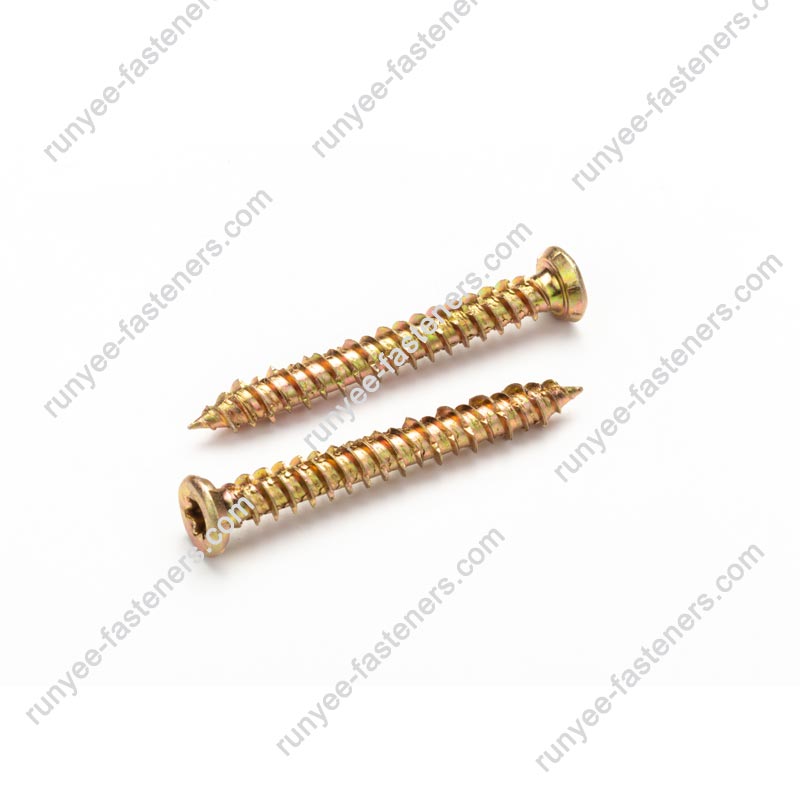
The primary purpose of this article is to explore the functional advantages, technical specifications, and practical applications of Torx flat head concrete screws, while addressing common questions and usage challenges encountered by professionals in the field. This guide provides in-depth insights suitable for engineers, contractors, and DIY enthusiasts aiming to select the right fastening solution for their projects.
Technical Specifications:
| Parameter | Description |
|---|---|
| Material | Hardened carbon steel or stainless steel |
| Coating | Zinc-plated, corrosion-resistant coating |
| Head Type | Flat head, countersunk for flush finish |
| Drive Type | Torx (star-shaped), sizes T15–T40 available |
| Thread Type | Full-threaded for maximum engagement in concrete |
| Length Range | 25mm to 150mm (custom lengths available) |
| Diameter Range | 4mm to 10mm |
| Pull-Out Strength | Up to 1200 lbs (varies by size and substrate) |
| Installation Tool | Compatible with Torx bit drivers, impact or cordless drills recommended |
Torx flat head concrete screws are suitable for a variety of applications, including anchoring metal studs, securing plywood to concrete slabs, fixing handrails, installing electrical boxes, and more. Their design ensures that torque is effectively transmitted to the screw without stripping, making them a reliable choice for both repetitive industrial use and single-instance construction tasks.
How Torx Flat Head Concrete Screws Compare to Other Fasteners
In the fastener industry, multiple options compete for usage in concrete and masonry applications, including traditional hex screws, wedge anchors, and sleeve anchors. Torx flat head concrete screws distinguish themselves in several key aspects:
-
Ease of Installation: Unlike wedge or sleeve anchors that require pre-drilling and expansion, Torx screws can be installed directly into pre-drilled holes using a standard drill and Torx bit. This reduces labor time and overall project costs.
-
Superior Torque Transmission: The Torx drive minimizes cam-out compared to Phillips or slotted heads, ensuring the screw can be driven at higher torque levels without stripping.
-
Flush Finish: Flat head design allows the screw to sit level with the surface, providing both aesthetic appeal and preventing interference with mounted objects.
-
Durability: High-grade steel with corrosion-resistant coatings ensures long-term stability, especially in outdoor or industrial environments.
Common Misconceptions:
Some professionals mistakenly assume that all concrete screws perform similarly under load. However, empirical testing shows that Torx flat head screws consistently provide higher pull-out strength and reduced installation fatigue compared to traditional anchors, particularly in high-density concrete.
FAQ 1:
Q: Can Torx flat head concrete screws be used in hollow concrete blocks or light masonry?
A: Yes, but installation must be performed with caution. For hollow blocks, it is recommended to use screws with appropriate wall plugs or anchors to ensure adequate load distribution. Over-torquing without proper preparation can compromise holding strength. For solid concrete, pre-drilling to the recommended diameter ensures optimal engagement and minimizes risk of cracking. The combination of the star-shaped Torx drive and full threading allows for even load transfer across the substrate, which is crucial for structural stability.
FAQ 2:
Q: What tools are optimal for installing Torx flat head concrete screws efficiently?
A: The best results are achieved using cordless drills or impact drivers equipped with matching Torx bits. Ensure the drill provides sufficient torque, typically 15–25 Nm for small screws (4–6mm diameter) and up to 50–60 Nm for larger sizes (8–10mm). Avoid using manual screwdrivers or improperly sized bits, as these increase cam-out risk and reduce installation consistency. For high-volume industrial installations, automatic screw feeders with Torx compatibility can improve efficiency significantly.
How Torx Flat Head Concrete Screws Enhance Project Reliability and Safety
In construction and industrial settings, reliability and safety are paramount. Torx flat head concrete screws offer advantages in both areas:
-
Load Distribution: Full threads engage with the substrate over the entire length, providing uniform load distribution and reducing localized stress points. This ensures that installed fixtures remain secure under dynamic forces.
-
Vibration Resistance: The Torx design minimizes screw loosening in vibration-prone environments, such as machinery mounts or exterior structural applications.
-
Durability Against Environmental Factors: Zinc plating or stainless steel options protect against rust, oxidation, and chemical exposure, extending the lifespan of installations.
-
Consistent Performance Across Substrates: Whether working with high-density concrete, lightweight blocks, or mixed masonry, Torx screws maintain predictable torque requirements and pull-out strength.
Future Trends in Concrete Fastening:
While traditional anchors remain common, the demand for time-saving, high-performance fasteners is increasing. Innovations in coating technologies, improved torque-driving designs, and integration with automated fastening systems indicate that Torx flat head concrete screws will continue gaining traction in large-scale construction projects. Their ability to combine speed, precision, and strength positions them as a long-term solution for both professional and DIY applications.
Comparison with Alternative Fastening Methods:
-
Wedge anchors: Require expansion, risk cracking; limited to certain loads.
-
Sleeve anchors: Versatile but slower to install; require precise drilling.
-
Hex screws: Risk of stripping under high torque; less flush finish.
-
Torx flat head screws: Fast, consistent, flush finish, less installation fatigue.
Applications, Best Practices, and Runyee Brand Integration
Practical Applications:
-
Securing metal and wood fixtures to concrete floors or walls.
-
Installation of handrails, guardrails, or safety barriers.
-
Fastening electrical panels, conduit, and HVAC supports.
-
Mounting machinery and equipment where vibration resistance is required.
-
Outdoor construction requiring corrosion resistance, such as decks or façades.
Installation Best Practices:
-
Pre-drill a pilot hole matching manufacturer recommendations for diameter and depth.
-
Use a high-quality Torx driver bit to minimize cam-out and maximize torque transfer.
-
Apply moderate, steady torque to prevent over-tightening and substrate cracking.
-
Inspect installed screws for flush positioning and confirm stability under expected load.
-
Choose stainless steel or coated screws for outdoor or high-moisture environments to ensure longevity.
The Runyee brand offers a comprehensive line of Torx flat head concrete screws designed for professionals who require both reliability and efficiency. Runyee’s products combine high-strength materials, precision engineering, and corrosion-resistant finishes, making them suitable for the most demanding construction projects.
For detailed product information or bulk order inquiries, please contact us directly to discuss specifications, availability, and customization options.
Send Inquiry




X
We use cookies to offer you a better browsing experience, analyze site traffic and personalize content. By using this site, you agree to our use of cookies.
Privacy Policy
News
 What screws are best for sealing windows?2024/09/11
During the window sealing process, it is crucial to choose the right screws to ensure the stability and safety of the windows. According to the available information, 304 stainless steel pull-out screws are the recommended screw types for window sealing. This type of screw is widely considered to ......
 Do gypsum screws need to be rust-proofed?2024/08/26
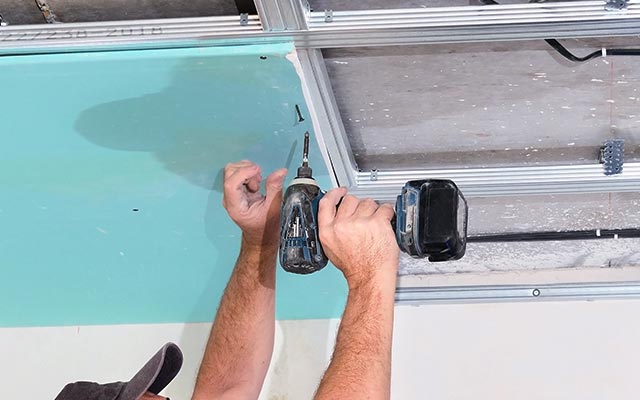
Whether the self-tapping screws of gypsum board ceiling need to be painted with anti-rust paint depends on the type of screws and construction habits.